
Repiping & Whole-Home Pipe Replacement in West Palm Beach, FL
Some older West Palm Beach homes are still running original galvanized or polybutylene supply lines, and both materials fail in ways that get more frequent and more expensive to patch over time. A full repipe replaces the aging system with modern PEX or copper, ending the cycle of recurring repairs.
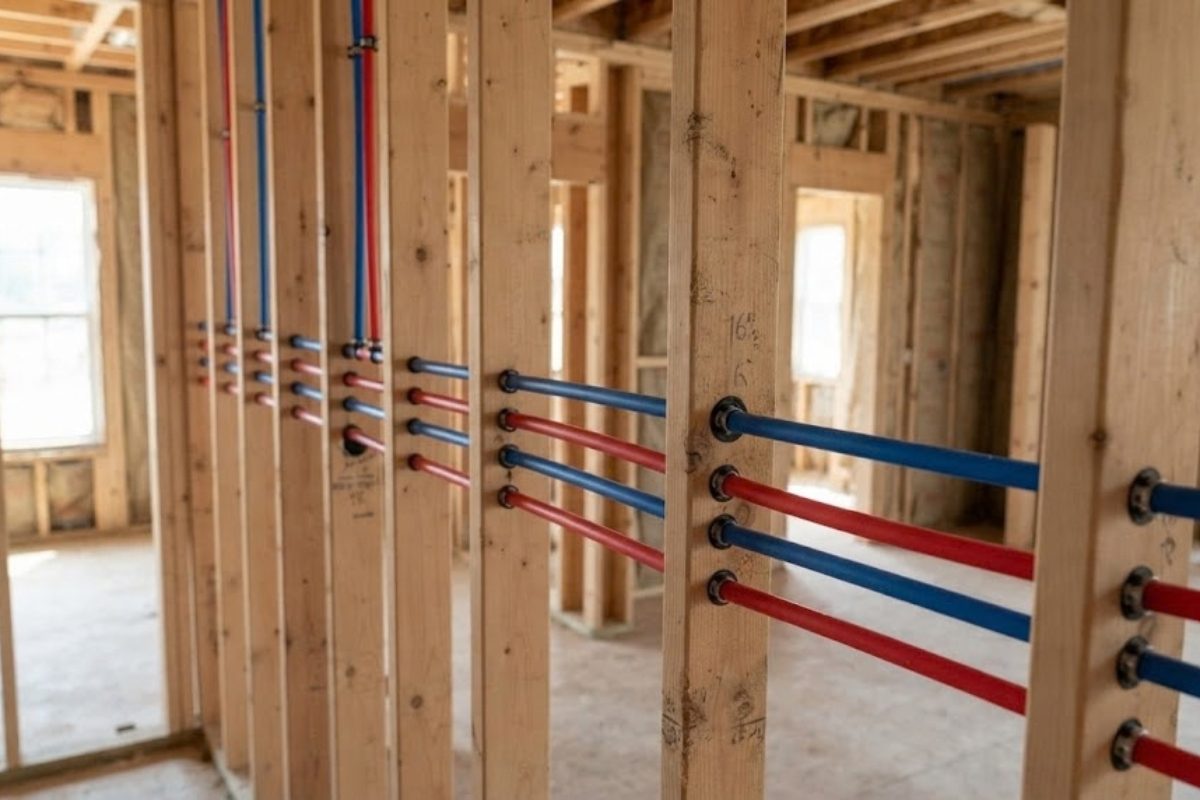
"I Keep Getting A New Leak Every Few Months"
If you've patched one pipe leak only to have another show up somewhere else in the house a few months later, that pattern points to the underlying pipe material failing, not bad luck. That's when a full repipe becomes worth discussing instead of another one-off patch.
Why West Palm Beach Chooses Us For Repiping & Whole-Home Pipe Replacement
Ends Recurring Repairs
Replaces failing material entirely instead of patching individual leaks.
Modern Material Options
PEX and copper both available, matched to your home and budget.
Minimal Wall Damage
Access points are planned to limit drywall and finish work needed after.
Improves Water Pressure
Corroded galvanized pipe often restricts flow; new pipe restores full pressure.
When To Call Us
Frequent Pinhole Leaks
A pattern of small leaks in different spots is a classic aging-pipe symptom.
Persistently Low Water Pressure
Corrosion buildup inside galvanized pipe narrows the interior over decades.
Discolored Water At Multiple Fixtures
Rust from the inside of galvanized pipe discoloring water throughout the home.
Known Polybutylene Plumbing
Homes built with polybutylene piping have a documented, well-known failure pattern.
Need Repiping & Whole-Home Pipe Replacement Today?
A licensed technician can be at your door today.
How It Works
Assess
We evaluate the existing pipe material and the extent of the problem.
Plan Access
Access points are mapped to minimize wall and ceiling disruption.
Repipe
Old lines are replaced with modern PEX or copper.
Restore
Access points are patched and pressure is verified at every fixture.
What This Typically Costs
wide range based on home size, number of fixtures, and material chosen. Exact quote given after inspection, before any work begins.
Common Questions
It's typically gray plastic pipe, often visible where it enters the water heater. If you're unsure, we can confirm during an inspection.
If leaks are recurring in different spots, patching becomes more expensive over time than a single repipe that ends the pattern.
We plan access points to minimize this, and most repipes are completed with far less drywall work than homeowners expect.
In some cases, yes, we can phase a repipe by section, though a single continuous project is usually more cost-effective overall.
When multiple unrelated leaks show up over a short period, it usually means the pipe material itself, often aging galvanized steel or polybutylene, is failing throughout the house, not just at the one spot you patched.
What's Included
A full repipe is planned by mapping every fixture's connection point and identifying the most efficient access route, typically through attic space, wall chases, or under-slab tunneling where a slab home requires it. We use PEX or copper depending on your preference and budget; PEX offers lower material cost and freeze resistance, while copper offers a longer proven track record and higher heat tolerance. Fixtures are reconnected and pressure-tested at every point before we close any opened walls, with all work performed and permitted to the Florida Building Code, Plumbing (based on the International Plumbing Code, or IPC).
Serving West Palm Beach & Palm Beach County
Homes built in certain construction booms in this region are documented to have used polybutylene piping, a material with a well-known, widely reported failure pattern that makes a full repipe the more sensible long-term fix rather than repeated patch repairs.
What To Expect Next
Once a full repipe is complete, the new system generally requires no special maintenance beyond normal water heater care, since modern PEX and copper don't share the corrosion and failure patterns of the older galvanized or polybutylene material being replaced. We'll walk through where the new shutoff valves are located before we finish, since that layout sometimes changes during a repipe.
Every new line is pressure-tested before any access points are closed up, so any connection issue is caught while the walls are still open rather than after the job is finished.
Often Booked Together
A repipe project is often triggered by findings from a leak detection visit or a pattern of repeat failures on the same water line. Once interior plumbing is replaced, it's a natural point to also address the exterior service line if it hasn't been done already.